He Converted a School Bus Into a Full Home for Tiny Home Story 1,000 — Full Tour Inside


Key Takeaways
- 1.Q: How much does it cost to convert a school bus into a full home?
- 2.Q: Can I live in a tiny home with family or pets?
- 3.Q: How do I maintain my tiny home's off-grid systems?
Converting a School Bus into a Full Home: The Ultimate Tiny Home Story
Are you tired of renting or owning a traditional home that's expensive and space-consuming? Do you dream of living in a tiny, eco-friendly abode that's perfect for solo travelers, couples, or small families? If so, you're not alone. Many people are turning to alternative housing options like tiny homes, and one creative individual is taking it to the next level by converting a school bus into a full home.
Meet Sarah, a DIY enthusiast who turned her passion project into a reality. With the help of some basic tools and materials, Sarah transformed a retired school bus into a cozy, off-grid retreat that's perfect for those seeking adventure or a simpler way of life.
Step 1: Planning and Research
Before starting the conversion process, Sarah spent weeks researching different tiny home designs, floor plans, and construction methods. She scoured online forums, social media, and blogs to gather inspiration and advice from fellow DIY enthusiasts.
Here are some key takeaways from her research:
- Choose the right bus: Select a retired school bus that's sturdy enough for conversion.
- Measure twice, cut once: Accurate measurements are crucial for a successful build-out.
- Plan for natural light: Incorporate skylights or solar tubes to maximize natural light.
Step 2: Preparation and Disassembly
Once Sarah had her design finalized, she began preparing the bus for conversion. This involved:
- Removing all interior components, including seats, tables, and shelves.
- Inspecting and repairing any damage to the exterior shell.
- Cleaning and disinfecting the entire vehicle.
Step 3: Electrical and Plumbing Installation
With the bus stripped of its original features, Sarah focused on installing essential systems like electrical and plumbing.
Here are some key considerations:
- Solar panels: Invest in a high-quality solar panel system to generate electricity.
- Water tank: Choose a durable water tank that can withstand outdoor conditions.
- Graywater system: Implement a graywater system to conserve water and reduce waste.
Step 4: Insulation and Drywall
Next, Sarah focused on creating a comfortable living space by installing insulation and drywall.
Here are some tips:
- Insulate for energy efficiency: Use eco-friendly insulation materials to minimize heat loss.
- Choose the right drywall: Select a durable, moisture-resistant drywall for walls and ceilings.
Step 5: Finishing Touches
The final stage of conversion involved adding finishing touches like flooring, cabinets, and countertops.
Here are some design considerations:
- Cabinets and drawers: Invest in sturdy, adjustable cabinets to maximize storage.
- Countertops: Choose a durable, low-maintenance material for your kitchen counters.
Tiny Home Living: The Benefits and Challenges
Sarah's school bus conversion is just one example of the many creative tiny home designs out there. But what are the benefits and challenges of tiny home living?
Benefits:
- Cost-effective: Tiny homes can be a fraction of the cost of traditional housing.
- Eco-friendly: Many tiny homes are designed with sustainability in mind, reducing waste and energy consumption.
Challenges:
- Limited space: Tiny homes often require careful planning to maximize storage and comfort.
- Off-grid living: Some tiny homes may struggle with reliable access to electricity, water, or sewage services.
Conclusion
Converting a school bus into a full home is an ambitious project that requires patience, creativity, and determination. With the right planning, tools, and materials, anyone can turn their vision into a reality. Whether you're seeking adventure, simplicity, or affordability, tiny home living may be the perfect solution for you.
Frequently Asked Questions
Q: How much does it cost to convert a school bus into a full home?
A: The cost of conversion varies widely depending on factors like materials, tools, and location. However, with careful planning and budgeting, many DIY enthusiasts can complete their project for under $20,000.
Q: Can I live in a tiny home with family or pets?
A: Yes! While some people may think tiny homes are only suitable for solo travelers, they can be perfect for families or pet owners who value simplicity and flexibility. Just consider factors like storage space, ventilation, and safety when designing your tiny home.
Q: How do I maintain my tiny home's off-grid systems?
A: Regular maintenance is crucial to ensure your off-grid systems are running smoothly. Check your solar panels regularly, refill your water tank as needed, and inspect your graywater system for signs of wear or leaks.
* We may earn a commission from purchases made through our links.
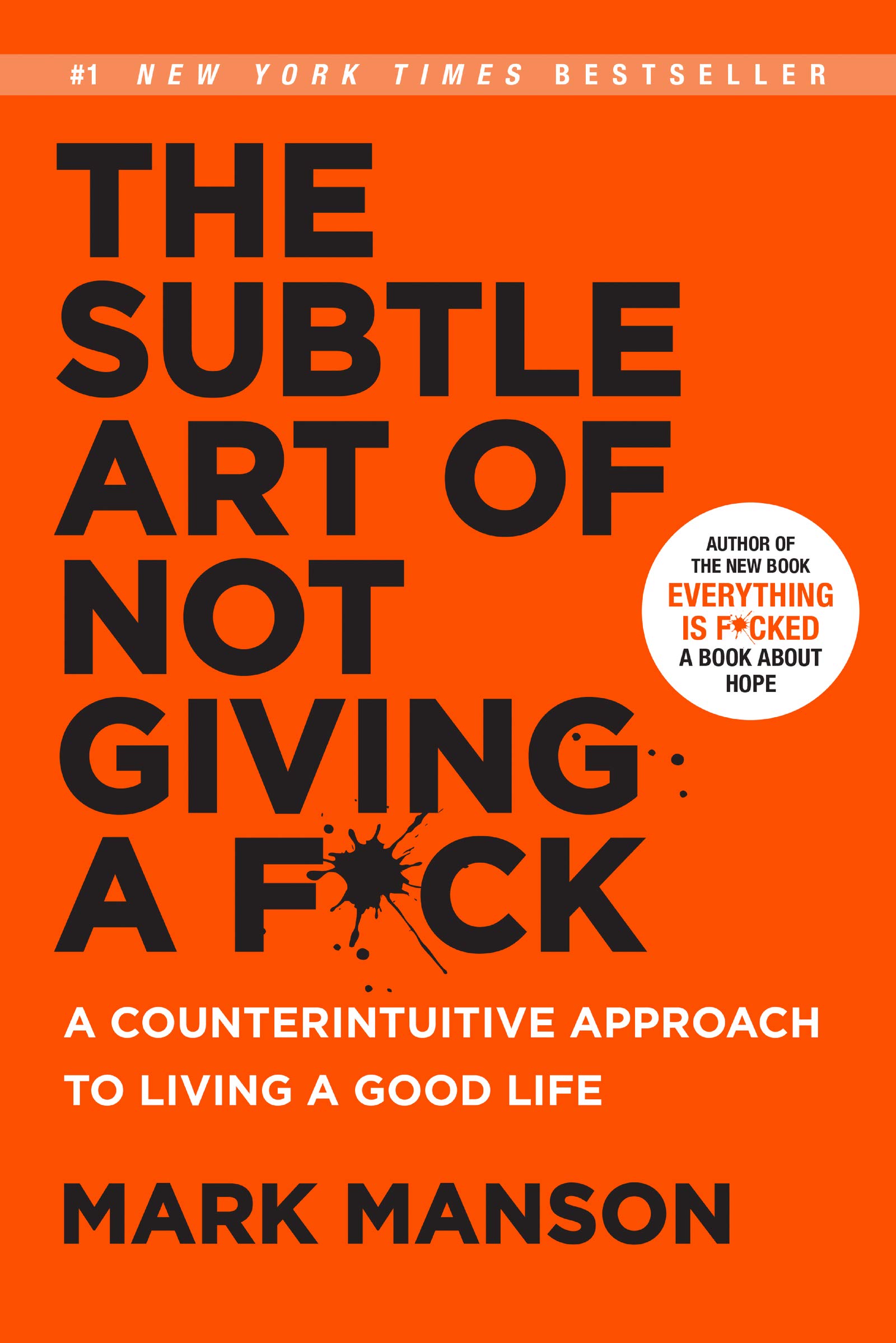
The Subtle Art of Not Giving a F*ck (book)
Our editors selected this as a top pick for viral stories based on quality and reader feedback.
David Chen
David Chen is a lifestyle journalist covering the intersection of technology and everyday efficiency. He is specialized in uncovering hidden life hacks and testing the latest home gadgets.
View Full Profile & All Articles →Was this article helpful?
Get more tips in your inbox — Subscribe free.
Tags
📚 Related Articles
viral-storiesShe Cleared a 20-Year Hoarder Room in 4 Days — The Transformation Is Breathtaking
She Cleared a 20-Year Hoarder Room in 4 Days — The Transformation Is Breathtaking...
viral-storiesThe Raw Water Trend Is Going Viral — Doctors Have a Warning
The Raw Water Trend Is Going Viral — Doctors Have a Warning...
viral-storiesCloud Bread Went Viral in 2020 — Here's Why It Actually Works
The Rise of Cloud Bread: A Viral Sensation in 2020...
Expert Discussion
Share your knowledge with LifeWise
Join the Conversation
Please sign in to share your thoughts and connect with our community.
Sign In to CommentLoading conversation...