How to Achieve a Sparkling Clean Floor: Mastering Optimal Mop Water Tips


Key Takeaways
- 1.Unlock the Secret to a Sparkling Clean Floor: Mastering Mop Water Tips...
Unlock the Secret to a Sparkling Clean Floor: Mastering Mop Water Tips
Are you tired of dealing with streaks and spots on your freshly mopped floors? The key to a sparkling clean floor lies in understanding the art of mop water management. With the right techniques, you can create a customized cleaning solution that effectively lifts dirt and grime without leaving behind a sticky residue.
Understanding Mop Water Ratio
The ideal mop water ratio depends on several factors, including the type of flooring, the amount of dirt and grime present, and personal preference. A general rule of thumb is to use 1 gallon of warm water per 1 cup of cleaning solution. However, this can be adjusted based on specific needs.
- For hardwood floors, a dilute solution with 2-3 tablespoons of white vinegar per gallon of water works well.
- For tile and grout, a more concentrated solution with 4-6 tablespoons of baking soda per gallon of water is recommended.
- For carpeted areas, a gentle, pH-balanced solution with 1-2 teaspoons of dish soap per gallon of water is ideal.
Choosing the Right Cleaning Solution
Not all cleaning solutions are created equal. When selecting a mop water solution, consider the following factors:
- pH level: A neutral pH level (around 7) ensures that your flooring won't be damaged by acidic or alkaline cleaners.
- Surfactants: Look for surfactants that effectively cut through dirt and grime without leaving behind residue.
- Dye-free: If you have colored floors, opt for a dye-free solution to prevent color transfer.
Types of Mop Water
The type of mop water you use can greatly impact the effectiveness of your cleaning routine. Consider the following options:
- Warm water: Ideal for most flooring types, warm water helps to loosen dirt and grime.
- Cold water: Suitable for delicate surfaces, cold water prevents shrinkage and cracking.
- Steam cleaning solution: Perfect for deep-seated dirt and grime, steam cleaning solutions use hot water vapor to lift stubborn stains.
Tips for Effective Mop Water Management
To get the most out of your mop water, keep these tips in mind:
- Always test a small area before applying the cleaning solution.
- Use a microfiber mop or sponge to effectively pick up dirt and grime.
- Change your cleaning solution frequently to prevent re-depositing dirt onto the floor.
- Dry the floor thoroughly after mopping to prevent slipping hazards.
Frequently Asked Questions
-
Q: How often should I change my mop water? A: Change your mop water every 1-2 hours or when you notice a significant decrease in cleaning effectiveness.
-
Q: What is the best way to store leftover mop water? A: Store leftover mop water in a well-ventilated area, away from direct sunlight and children. Dispose of it properly to prevent environmental harm.
-
Q: Can I use tap water instead of filtered water for mopping? A: Use filtered water whenever possible to ensure optimal cleaning results and prevent mineral buildup on your floors.
* We may earn a commission from purchases made through our links.
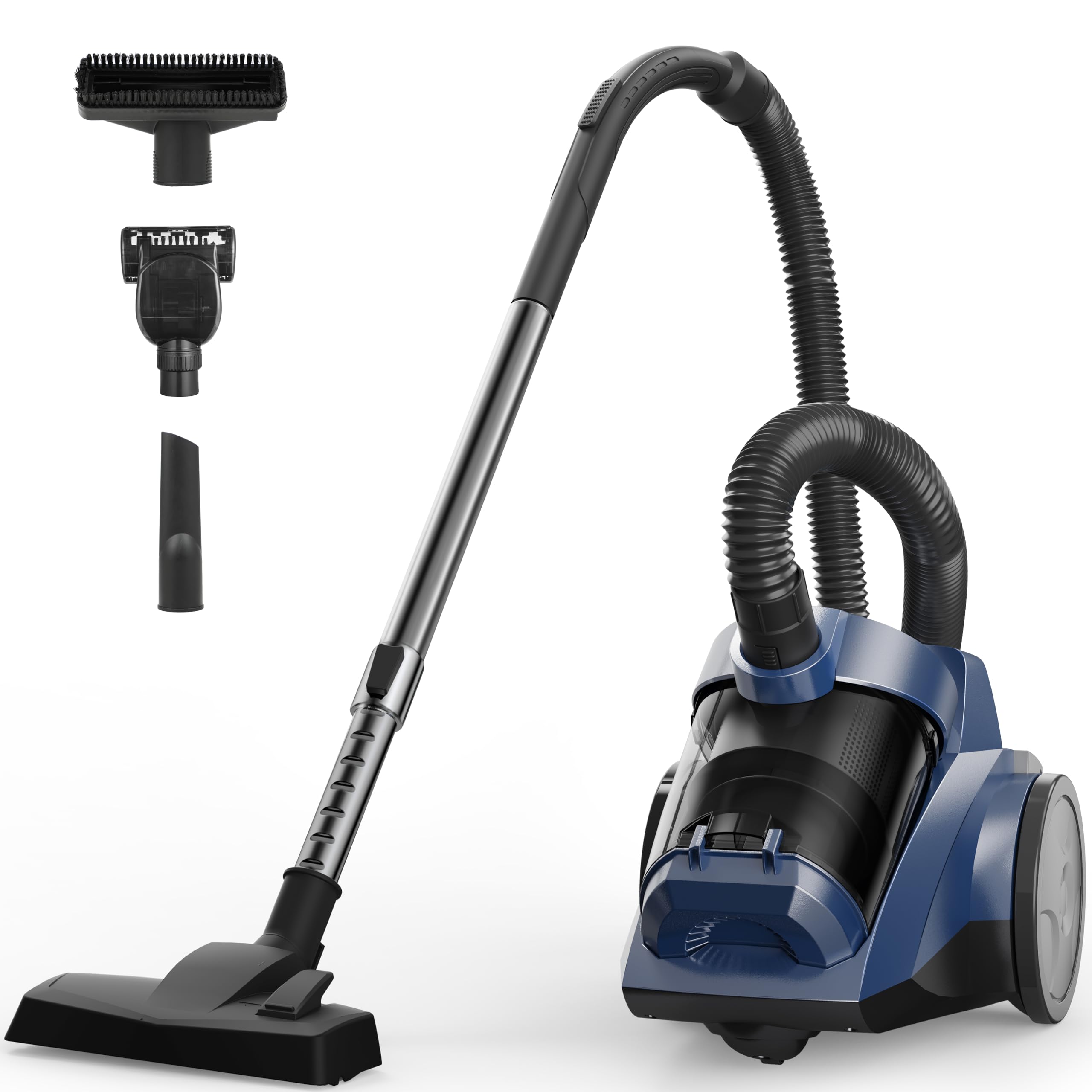
Bissell Little Green Portable Cleaner
Our editors selected this as a top pick for cleaning based on quality and reader feedback.
Sarah Jenkins
Sarah Jenkins is a professional home organizer with over 10 years of experience helping families declutter and find peace in their living spaces. Her methods focus on sustainable, long-term organization systems.
View Full Profile & All Articles →Was this article helpful?
Get more tips in your inbox — Subscribe free.
Tags
📚 Related Articles
 cleaning
"Discover 15 Unconventional Cleaning Uses for Hydrogen Peroxide"
Unlock the Power of Hydrogen Peroxide: 15 Cleaning Uses You Never Knew Existed...
 cleaning
Natural Bathroom Cleaners
Are you tired of using harsh chemical-based bathroom cleaners that can damage your skin and the environment? Look no further! Natural bathroom cleaner...
 cleaning
Vinegar and Baking Soda Combos
Unlocking Nature's Miracles: The Science Behind Vinegar and Baking Soda Combos...
Expert Discussion
Share your knowledge with LifeWise
Join the Conversation
Please sign in to share your thoughts and connect with our community.
Sign In to CommentLoading conversation...