Water Bottle Cleaning


Key Takeaways
- 1.Removing Lid and Cap
- 2.Using Vinegar (Optional)
- 3.Q: How often should I clean my water bottle?
- 4.Q: Can I use bleach to sanitize my water bottle?
The Ultimate Guide to Water Bottle Cleaning: A Step-by-Step Guide
Are you tired of using a water bottle that's always clogged with bacteria and sediment? Do you want to know the best way to clean your water bottle without compromising its quality or appearance? Look no further! In this article, we'll take you through the exact steps to clean your water bottle like a pro.
Why Clean Your Water Bottle?
Before we dive into the cleaning process, let's talk about why it matters. A dirty water bottle can harbor bacteria, viruses, and other microorganisms that can contaminate your drinking water. This is especially concerning for people with weakened immune systems or those who are pregnant or breastfeeding.
Materials Needed:
To get started, you'll need the following materials:
- Mild dish soap
- Warm water
- Soft-bristled brush or toothbrush
- White vinegar (optional)
- A clean towel for drying
Step 1: Rinse and Remove Debris
Rinse your water bottle thoroughly with warm water to remove any loose debris.
Removing Lid and Cap
Remove the lid and cap from your water bottle and wash them separately in soapy water. This will prevent any bacteria or sediment from spreading to other parts of the bottle.
Step 2: Soak and Scrub
Soak your water bottle in a mixture of mild dish soap and warm water for about 10-15 minutes. Use a soft-bristled brush or toothbrush to scrub away any stubborn stains or buildup.
Using Vinegar (Optional)**
If you're dealing with particularly tough stains, you can add white vinegar to the soaking solution. The acid in the vinegar will help break down mineral deposits and other substances that might be clogging your bottle.
Step 3: Rinse and Dry
Rinse your water bottle thoroughly with warm water to remove any soap residue. Use a clean towel to dry the bottle, paying extra attention to any crevices or areas where moisture tends to accumulate.
Tips and Tricks:
- Regular Cleaning: Clean your water bottle at least once a week to prevent buildup.
- Sanitizing: Sanitize your water bottle by soaking it in a mixture of equal parts water and white vinegar for 10-15 minutes. Rinse thoroughly before use.
- Storage: Store your water bottle in an upright position when not in use to prevent condensation.
Common Mistakes to Avoid:
- Using Harsh Chemicals: Avoid using harsh chemicals or abrasive cleaners that can damage the material of your water bottle.
- Not Drying Thoroughly: Failing to dry your water bottle thoroughly can lead to bacterial growth and other issues.
- Not Regularly Cleaning: Neglecting to clean your water bottle regularly can lead to buildup and contamination.
Frequently Asked Questions
Q: How often should I clean my water bottle?
A: Daily or at least once a week, depending on usage.
Q: Can I use bleach to sanitize my water bottle?
A: No, bleach can damage certain materials and is not recommended for sanitizing water bottles.
Q: Is it safe to store my water bottle in the fridge?
A: Yes, but make sure it's an airtight container to prevent moisture buildup.
* We may earn a commission from purchases made through our links.
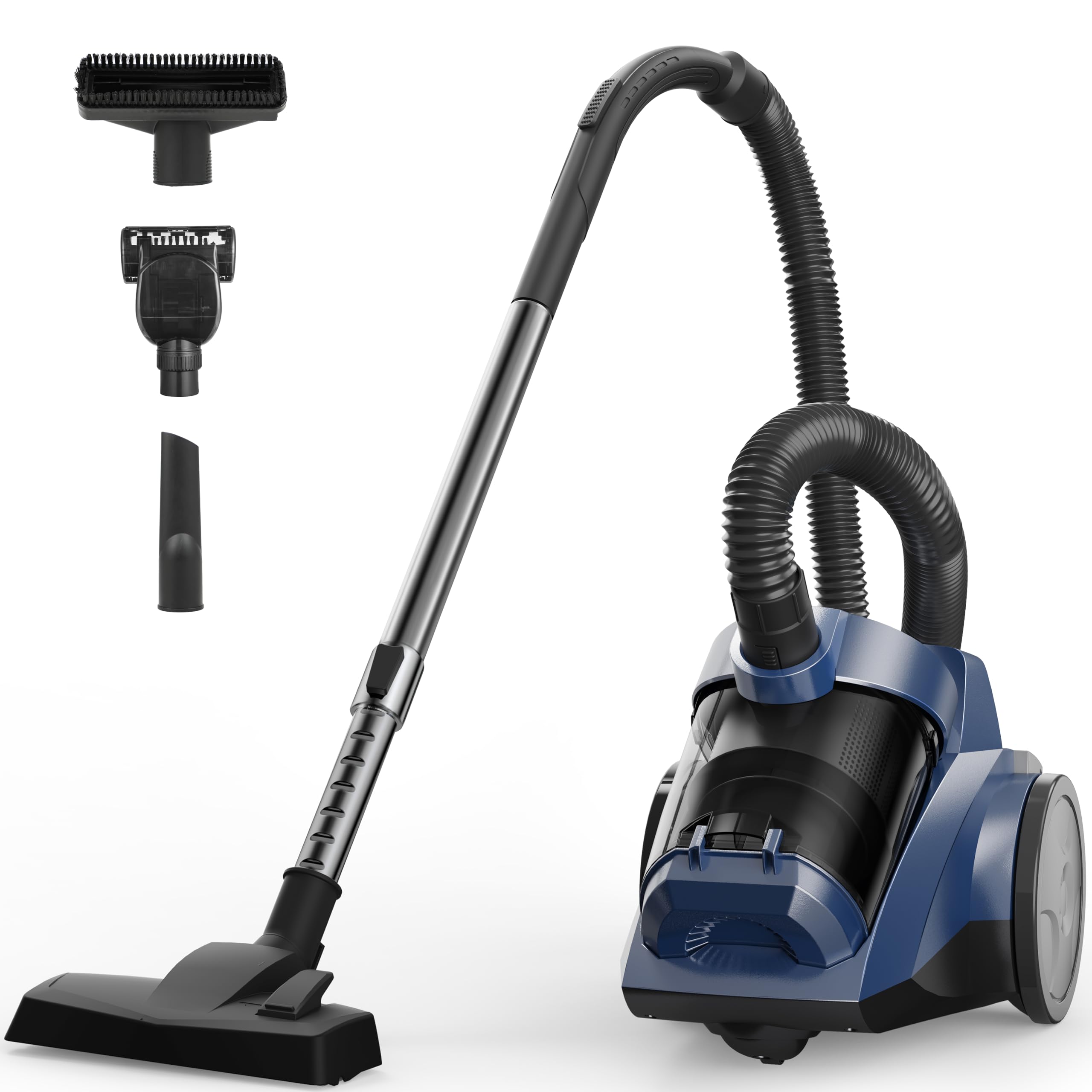
Bissell Little Green Portable Cleaner
Our editors selected this as a top pick for cleaning based on quality and reader feedback.
Sarah Jenkins
Sarah Jenkins is a professional home organizer with over 10 years of experience helping families declutter and find peace in their living spaces. Her methods focus on sustainable, long-term organization systems.
View Full Profile & All Articles →Was this article helpful?
Get more tips in your inbox — Subscribe free.
Tags
📚 Related Articles
 cleaning
The Ultimate Guide to Choosing Baby-Safe Cleaners: Top Picks Reviewed
The Ultimate Guide to Baby-Safe Cleaners: A Comprehensive Review...
 cleaning
New Home Cleaning
The Ultimate Guide to New Home Cleaning: Expert Tips and Tricks for a Sparkling Abode...
 cleaning
"The Complete Moving Out Cleaning Checklist: Stress-Free Tips from Experts"
Are you dreading the thought of cleaning your old home before moving out? You're not alone. The daunting task of moving out can be overwhelming, espec...
Expert Discussion
Share your knowledge with LifeWise
Join the Conversation
Please sign in to share your thoughts and connect with our community.
Sign In to CommentLoading conversation...