Trash Can Deodorizing


Key Takeaways
- 1.The Often-Overlooked World of Trash Can Deodorizing: A Comprehensive Guide
- 2.The Science Behind Stinky Trash Cans
- 3.Effective Trash Can Deodorizing Methods
- 4.Cleaning and Maintenance
The Often-Overlooked World of Trash Can Deodorizing: A Comprehensive Guide
Are you tired of dealing with stinky trash cans that seem to attract every unwanted pest in your home? Do you dread the thought of opening a can only to be hit with a wave of putrid smells? You're not alone. However, before we dive into the world of trash can deodorizing, it's essential to understand why this issue is so prevalent and what the consequences are if left unchecked.
The Science Behind Stinky Trash Cans
Trash cans can quickly become breeding grounds for bacteria, mold, and mildew due to their moist environment. When organic waste decomposes, it releases volatile organic compounds (VOCs), which contribute to unpleasant odors. If not addressed promptly, these VOCs can seep into your home's air ducts, causing a lingering stench that's difficult to eliminate.
Effective Trash Can Deodorizing Methods
Fortunately, there are several methods to keep your trash cans fresh and odor-free:
- Baking Soda and Vinegar: Sprinkle baking soda at the bottom of the can and pour vinegar over it. Let the mixture sit for 30 minutes before rinsing with hot water.
- Activated Charcoal: Place a small bag of activated charcoal in the can to absorb moisture and VOCs.
- Essential Oils: Add a few drops of tea tree oil or lemon essential oil to your trash can's liner for a natural deodorizer.
Cleaning and Maintenance
To maintain a fresh-smelling trash can:
- Regularly Clean the Can: Wipe down the outside with soap and water, and scrub the interior with a mixture of baking soda and vinegar.
- Empty Trash Frequently: Regular emptying reduces the amount of waste that decomposes, minimizing VOCs released into the air.
- Line Your Can: Use a heavy-duty trash bag or liner to prevent spills and odors from spreading.
Best Practices for Different Types of Trash Cans
- Compost Bins: Add a small amount of baking soda to balance the pH level and reduce unpleasant odors.
- Recycling Bins: Regularly clean and disinfect recycling bins to prevent the buildup of bacteria and mold.
- Outdoor Trash Cans: Place trash cans in well-ventilated areas, or consider using odor-absorbing products specifically designed for outdoor use.
Frequently Asked Questions
1. How often should I empty my trash can?
Empty your trash can at least once a day, or whenever it's almost full.
2. Can I use bleach to clean my trash can?
No, avoid using bleach as it can release harsh chemicals and VOCs into the air. Instead, opt for natural cleaning agents like baking soda and vinegar.
3. How do I get rid of stubborn odors in my trash can?
**For tough odors, try mixing equal parts water and white vinegar in a spray bottle. Spray the solution onto the affected area and let it sit for 10-15 minutes before rinsing with hot water.
* We may earn a commission from purchases made through our links.
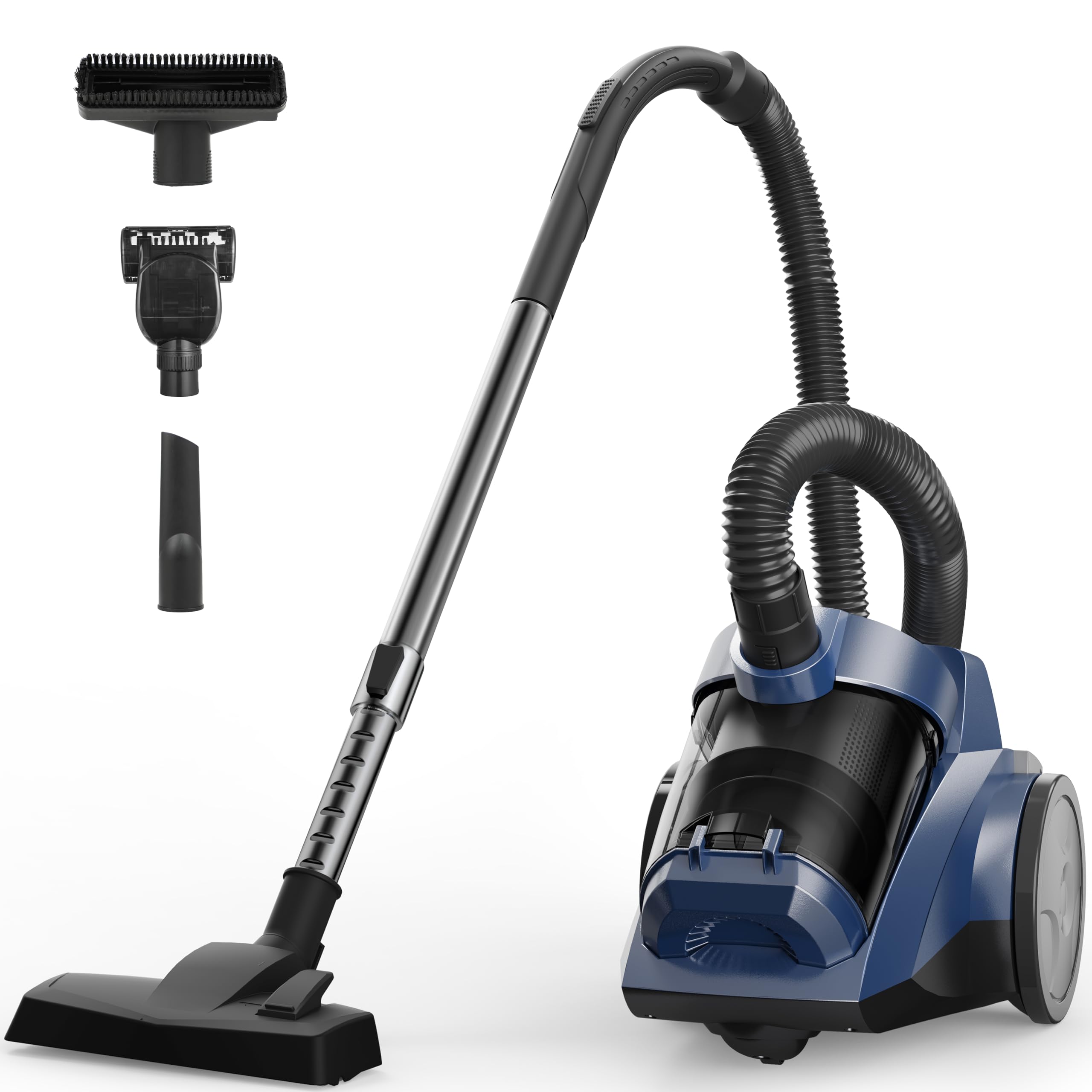
Bissell Little Green Portable Cleaner
Our editors selected this as a top pick for cleaning based on quality and reader feedback.
Sarah Jenkins
Sarah Jenkins is a professional home organizer with over 10 years of experience helping families declutter and find peace in their living spaces. Her methods focus on sustainable, long-term organization systems.
View Full Profile & All Articles →Was this article helpful?
Get more tips in your inbox — Subscribe free.
Tags
📚 Related Articles
 cleaning
The Ultimate Guide to Choosing Baby-Safe Cleaners: Top Picks Reviewed
The Ultimate Guide to Baby-Safe Cleaners: A Comprehensive Review...
 cleaning
New Home Cleaning
The Ultimate Guide to New Home Cleaning: Expert Tips and Tricks for a Sparkling Abode...
 cleaning
"The Complete Moving Out Cleaning Checklist: Stress-Free Tips from Experts"
Are you dreading the thought of cleaning your old home before moving out? You're not alone. The daunting task of moving out can be overwhelming, espec...
Expert Discussion
Share your knowledge with LifeWise
Join the Conversation
Please sign in to share your thoughts and connect with our community.
Sign In to CommentLoading conversation...