Tile Cleaning


Key Takeaways
- 1.What is the best way to clean grout lines?
- 2.How often should I clean my tiles?
The Ultimate Guide to Tile Cleaning: Sparkling Surfaces and a Healthier Home
Are you tired of living with dull, dirty tiles that seem impossible to clean? Do you find yourself spending hours scrubbing away at stubborn grout lines or dealing with unsightly soap scum buildup? You're not alone. With the right techniques and cleaning products, however, you can achieve sparkling clean tile surfaces and a healthier home.
Understanding Tile Grime
Before we dive into the nitty-gritty of tile cleaning, it's essential to understand what causes grime in the first place. Tiles can harbor a surprising amount of dirt, dust, and other pollutants, which can be exacerbated by foot traffic, humidity, and poor ventilation. This buildup can lead to a range of issues, from mildew and mold growth to unsightly stains and discoloration.
Choosing the Right Cleaning Products
With so many cleaning products on the market, it can be overwhelming to choose the right one for your tile surfaces. Here are some key considerations:
- pH Level: Look for products with a pH level close to neutral (around 7). This will help prevent damage to the tile or grout.
- Solvent Type: Choose products that use natural solvents, such as white vinegar or baking soda, which are gentler on surfaces.
- Scrubbing Power: Consider products with built-in scrubbing agents or abrasive materials for tougher stains.
Cleaning Methods
Now that you have the right cleaning products, it's time to tackle those tough tile grimes. Here are some effective methods:
- Dry Sweeping: Use a soft-bristled brush or dry mop to remove loose dirt and debris.
- Damp Mopping: Mix your cleaning solution with warm water and mop the tiles gently, working in sections.
- Scrubbing: Use a gentle scrubber or sponge to tackle stubborn stains and grout lines.
Advanced Techniques
For more severe tile grimes or stubborn stains, try these advanced techniques:
- Baking Soda and Vinegar Paste: Mix equal parts baking soda and vinegar to create a paste, which can help break down tough stains.
- Hydrogen Peroxide Treatment: Apply hydrogen peroxide directly to the stain, let it sit for 10-15 minutes, then scrub and rinse.
Tips and Tricks
Here are some pro tips to keep your tiles sparkling clean:
- Regular Maintenance: Clean your tiles regularly to prevent grime buildup.
- Grout Sealing: Apply a grout sealer to protect against stains and make cleaning easier.
- Tile Coating: Consider applying a tile coating or sealant to repel water and dirt.
Frequently Asked Questions
What is the best way to clean grout lines?
- Use a grout brush and baking soda paste to scrub away tough stains, then rinse with warm water.
- Apply a grout sealer to protect against future stains and make cleaning easier.
How often should I clean my tiles?
- Regular maintenance: Clean your tiles at least once a week to prevent grime buildup.
* We may earn a commission from purchases made through our links.
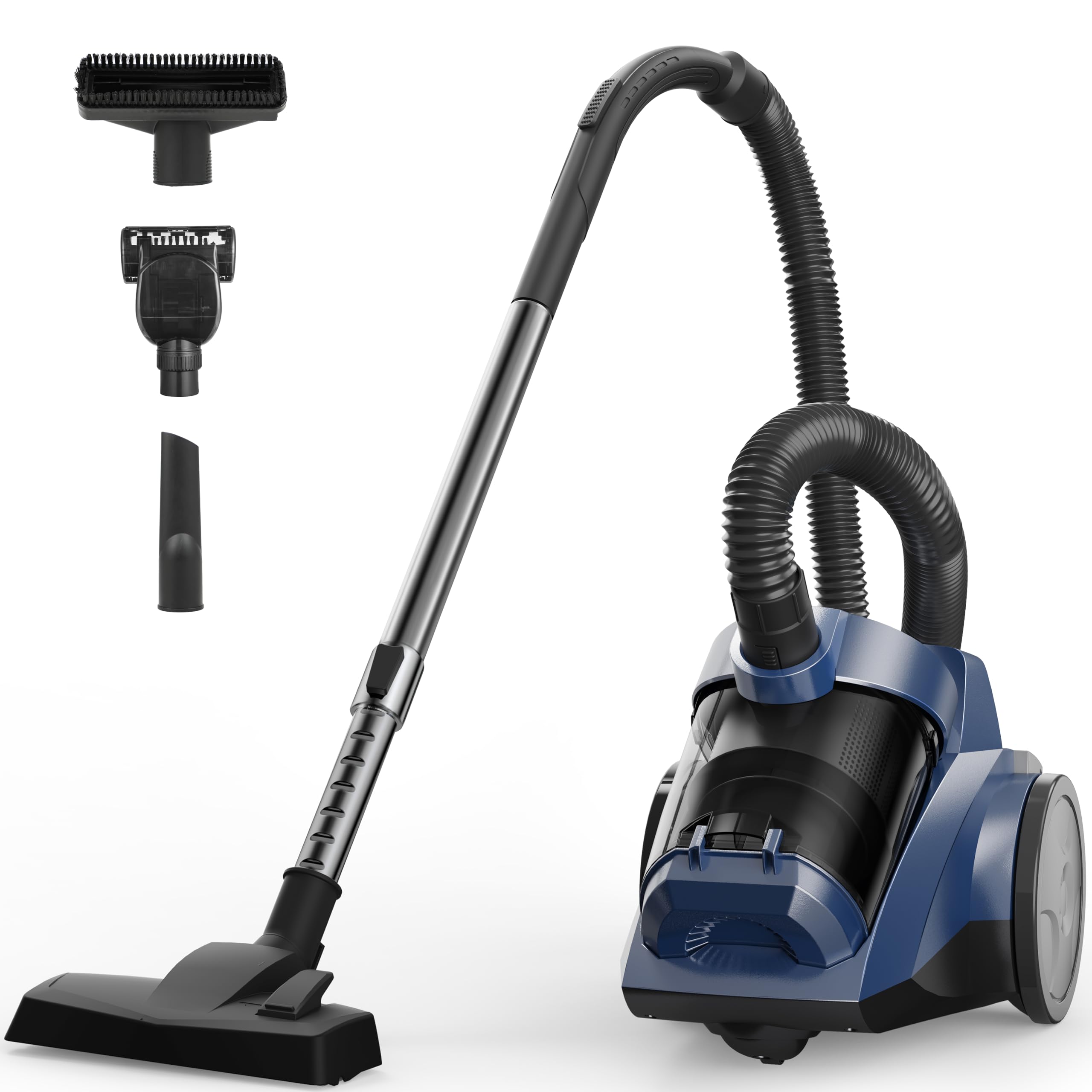
Bissell Little Green Portable Cleaner
Our editors selected this as a top pick for cleaning based on quality and reader feedback.
Sarah Jenkins
Sarah Jenkins is a professional home organizer with over 10 years of experience helping families declutter and find peace in their living spaces. Her methods focus on sustainable, long-term organization systems.
View Full Profile & All Articles →Was this article helpful?
Get more tips in your inbox — Subscribe free.
Tags
📚 Related Articles
 cleaning
The Ultimate Guide to Choosing Baby-Safe Cleaners: Top Picks Reviewed
The Ultimate Guide to Baby-Safe Cleaners: A Comprehensive Review...
 cleaning
New Home Cleaning
The Ultimate Guide to New Home Cleaning: Expert Tips and Tricks for a Sparkling Abode...
 cleaning
"The Complete Moving Out Cleaning Checklist: Stress-Free Tips from Experts"
Are you dreading the thought of cleaning your old home before moving out? You're not alone. The daunting task of moving out can be overwhelming, espec...
Expert Discussion
Share your knowledge with LifeWise
Join the Conversation
Please sign in to share your thoughts and connect with our community.
Sign In to CommentLoading conversation...