Sponge and Brush Care


Key Takeaways
- 1.Why Sponge and Brush Care Matters
- 2.Cleaning Sponges
- 3.Cleaning Brushes
- 4.Storage and Maintenance
The Ultimate Guide to Sponge and Brush Care: Keep Your Cleaning Tools Fresh and Functional
Are you tired of using soggy sponges that can harbor bacteria and spread germs, or brushes with worn-out bristles that struggle to clean effectively? Proper sponge and brush care is essential for maintaining a hygienic and efficient cleaning routine. In this article, we'll delve into the often-overlooked world of cleaning tool maintenance, providing you with expert tips on how to keep your sponges and brushes in top condition.
Why Sponge and Brush Care Matters
Sponges and brushes are frequently washed and reused, but they can quickly become breeding grounds for bacteria and fungi. According to the Centers for Disease Control and Prevention (CDC), sponges can harbor up to 1 billion bacteria per square inch. This can lead to the spread of illness, particularly among vulnerable populations such as the elderly and young children.
Brushes, on the other hand, can become clogged with hair and debris, reducing their effectiveness and potentially causing damage to surfaces. Neglecting sponge and brush care can result in a decrease in cleaning performance, increased risk of illness, and even costly repairs.
Cleaning Sponges
Rinse with Warm Water
Rinsing your sponges with warm water is the first step in maintaining their hygiene. Use a gentle stream to remove any visible debris, food particles, or soap scum. Avoid using hot water, as it can cause the sponge to shrink and become more prone to harboring bacteria.
Sanitize with Vinegar
To sanitize your sponges, mix equal parts water and white vinegar in a bowl. Soak the sponge for 5-10 minutes before rinsing thoroughly with warm water. This method is effective against a wide range of bacteria, viruses, and fungi.
Cleaning Brushes
Rinse with Mild Soap
For cleaning brushes, start by rinsing them with mild soap and lukewarm water. Use a soft-bristled brush or a toothbrush to gently scrub away any debris or hair clippings. Be sure to rinse thoroughly to remove all soap residue.
Shake Out Excess Water
Shaking out excess water from your brushes is crucial in preventing bacterial growth. Hold the brush upside down and gently shake it for 10-15 seconds, focusing on areas with dense bristles.
Storage and Maintenance
Store Sponges in a Dry Place
To prevent sponges from becoming soggy or developing an unpleasant odor, store them in a dry place when not in use. Consider using a sponge holder or drying rack to keep your sponges clean and fresh.
Replace Brushes Regularly
Brushes have a limited lifespan and can become worn out quickly. Replace your brushes every 1-3 months, depending on usage and condition. This will ensure optimal cleaning performance and prevent the spread of bacteria.
Additional Tips
- Use a microfiber cloth to wipe down surfaces before using a sponge or brush.
- Regularly disinfect your cleaning tools with a solution of equal parts water and bleach (1:10 ratio).
- Consider using eco-friendly sponges made from natural materials, such as coconut or bamboo.
Frequently Asked Questions
Q: How often should I wash my sponge?
**A: Wash your sponge after every use, especially if you've been cleaning up after someone who's sick. If you can't use it immediately, rinse with warm water and sanitize with vinegar within 24 hours.
Q: Can I put my brushes in the dishwasher?
**A: It's not recommended to wash your brushes in the dishwasher, as high temperatures and harsh detergents can damage the bristles or cause them to fall out. Instead, hand-wash them with mild soap and lukewarm water.
Q: How do I prevent mold from growing on my sponges?
**A: To prevent mold growth on your sponges, ensure they dry completely after washing and storage. You can also add a few drops of tea tree oil to the rinse water for its antifungal properties.
* We may earn a commission from purchases made through our links.
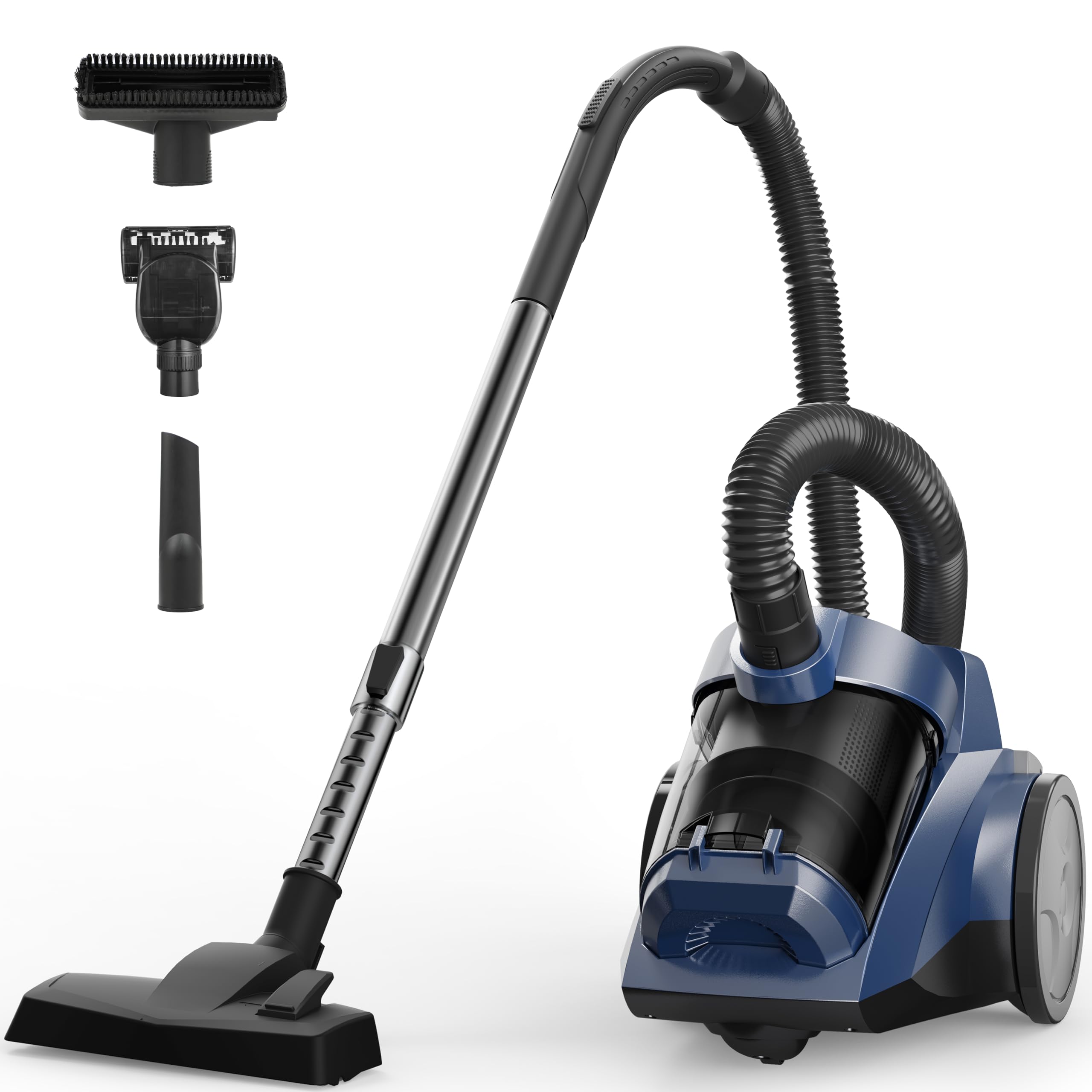
Bissell Little Green Portable Cleaner
Our editors selected this as a top pick for cleaning based on quality and reader feedback.
Sarah Jenkins
Sarah Jenkins is a professional home organizer with over 10 years of experience helping families declutter and find peace in their living spaces. Her methods focus on sustainable, long-term organization systems.
View Full Profile & All Articles →Was this article helpful?
Get more tips in your inbox — Subscribe free.
Tags
📚 Related Articles
 cleaning
The Ultimate Guide to Choosing Baby-Safe Cleaners: Top Picks Reviewed
The Ultimate Guide to Baby-Safe Cleaners: A Comprehensive Review...
 cleaning
New Home Cleaning
The Ultimate Guide to New Home Cleaning: Expert Tips and Tricks for a Sparkling Abode...
 cleaning
"The Complete Moving Out Cleaning Checklist: Stress-Free Tips from Experts"
Are you dreading the thought of cleaning your old home before moving out? You're not alone. The daunting task of moving out can be overwhelming, espec...
Expert Discussion
Share your knowledge with LifeWise
Join the Conversation
Please sign in to share your thoughts and connect with our community.
Sign In to CommentLoading conversation...