5 Essential Tips to Combat and Prevent Ceiling Fan Dust Buildup


Key Takeaways
- 1.What is the best way to remove dust from ceiling fan blades?
- 2.Can I use a feather duster on my ceiling fan?
- 3.How often should I clean my ceiling fan light kit?
- 4.What is the best tool for cleaning hard-to-reach areas on a ceiling fan?
The Extensive Guide to Battling and Preventing Ceiling Fan Dust Accumulation
Welcome to our comprehensive guide on how to combat and prevent the persistent issue of ceiling fan dust. Not only is this problem unsightly, but it can also pose health risks and reduce your fan's efficiency. In this article, we'll delve deeper into the causes of ceiling fan dust, provide extensive tips on how to clean it effectively, offer expert advice on preventing future dust accumulation, and share some pro tips along the way.
Unmasking the Causes of Ceiling Fan Dust
Ceiling fans are designed to circulate air, but their very purpose makes them susceptible to dust collection. Understanding the factors contributing to this issue can help you address it more effectively. These factors include:
- Location: Fans installed in high-traffic areas or near dusty regions such as construction sites, busy roads, or drywall sanding projects are prone to collecting a significant amount of debris.
- Maintenance: Neglecting regular cleaning and maintenance contributes significantly to the accumulation of dust on your ceiling fan.
- Air Quality: Areas with poor air quality or high humidity levels can lead to increased dust buildup due to the presence of more airborne particles.
- Seasonal Factors: During seasons with increased dust, pollen, and other allergens in the air, such as summer and spring, fans may collect more dust than usual.
Mastering the Art of Ceiling Fan Dust Cleaning
Cleaning your ceiling fan is a simple yet crucial task that can be achieved with the right approach. Before you begin, ensure to turn off the power at the electrical panel for safety. Follow these steps:
- Disassembling and Accessing: Carefully take down the light fixture or globe, as well as any other removable parts of the fan, to access the dusty parts more easily.
- Dust Removal with a Brush or Cloth: Use a soft-bristled brush or microfiber cloth to gently sweep away loose dust particles from the blades and other hard-to-reach areas.
- Vacuuming the Fan Blades: Attach a vacuum cleaner hose to a long-handled brush, and carefully vacuum each blade, starting from the top and working your way down to the bottom.
- Cleaning the Light Kit: Clean the light kit using a soft cloth or a gentle cleaning solution designed for delicate surfaces like glass or plastic.
- Reassembling the Fan: Once everything is cleaned, put the fan back together, ensuring all parts are securely in place and functioning properly.
The Power of Prevention: Strategies to Minimize Ceiling Fan Dust Buildup
While regular cleaning can help reduce dust buildup on your ceiling fan, there are additional steps you can take to minimize its occurrence:
- Regular Inspections and Maintenance: Check for dust accumulation regularly and clean or replace parts as needed. This will help keep your fan looking and functioning its best.
- HEPA Air Purifiers: Investing in a HEPA air purifier can help remove airborne particles, reducing the amount of dust that settles on ceiling fans and other surfaces throughout your home.
- Dust-Repelling Coatings: Applying a special coating to the fan blades can make them easier to clean and less prone to dust accumulation over time.
Pro Tips for Cleaning Ceiling Fan Dust Effectively
To ensure your ceiling fan remains in excellent condition, follow these pro tips:
- Clean your ceiling fan every 3-6 months: Regular cleaning can help prevent dust buildup and maintain the fan's efficiency.
- Use a gentle cleaning product: Avoid using harsh chemicals or abrasive materials that can damage the fan's finish or harm its motor. Stick to mild, non-toxic cleaners when possible.
- Don’t use a wet vacuum: Excess moisture can lead to electrical issues or rust on metal parts. Instead, dry-vacuum the dust off your ceiling fan.
- Schedule Regular Cleaning Sessions: Make cleaning your ceiling fan part of your routine household chores to help prevent dust buildup and keep your home looking and feeling cleaner for longer.
Frequently Asked Questions
What is the best way to remove dust from ceiling fan blades?
- Use a soft-bristled brush or microfiber cloth to gently sweep away loose dust particles.
- Avoid using harsh chemicals or abrasive materials that can damage the fan's finish or harm its motor.
Can I use a feather duster on my ceiling fan?
- No: Feather dusters are too coarse and may scratch or damage the fan blades. Use a soft-bristled brush or microfiber cloth instead.
How often should I clean my ceiling fan light kit?
- Clean your ceiling fan light kit every 6-12 months to prevent dust buildup and maintain its appearance.
What is the best tool for cleaning hard-to-reach areas on a ceiling fan?
- Use an extendable duster or microfiber cloth attached to a long, adjustable handle to reach tough-to-access spots on your ceiling fan more easily.
Can I use a damp cloth to clean my ceiling fan?
- No: Avoid using moisture near the electrical components of your ceiling fan, as it can lead to electrical issues or rust on metal parts. Stick to dry cleaning methods whenever possible. If you need to remove stubborn dust, first dampen the cloth slightly and wring it out thoroughly before cleaning the fan.
* We may earn a commission from purchases made through our links.
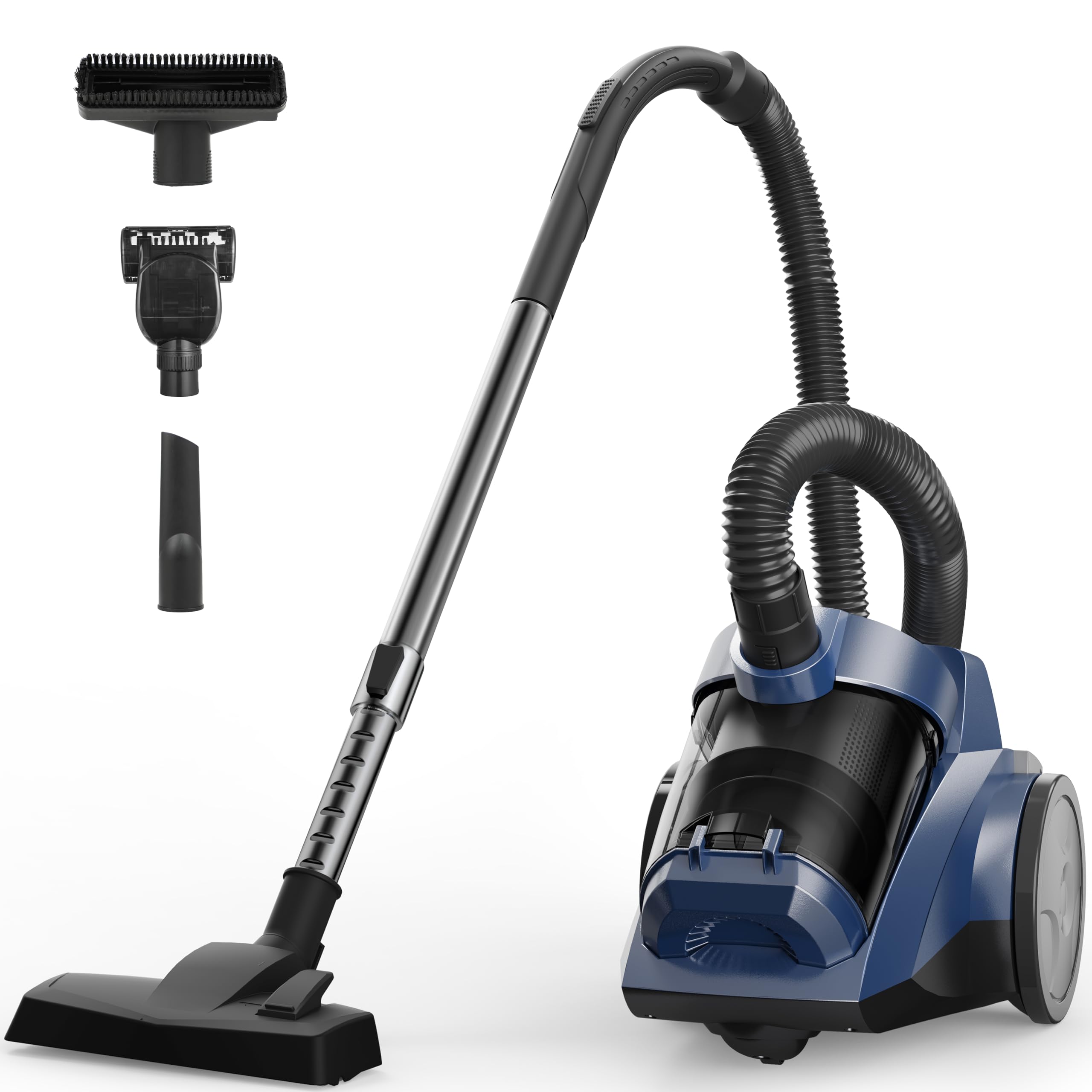
Bissell Little Green Portable Cleaner
Our editors selected this as a top pick for cleaning based on quality and reader feedback.
Sarah Jenkins
Sarah Jenkins is a professional home organizer with over 10 years of experience helping families declutter and find peace in their living spaces. Her methods focus on sustainable, long-term organization systems.
View Full Profile & All Articles →Was this article helpful?
Get more tips in your inbox — Subscribe free.
Tags
📚 Related Articles
 cleaning
The Ultimate Guide to Choosing Baby-Safe Cleaners: Top Picks Reviewed
The Ultimate Guide to Baby-Safe Cleaners: A Comprehensive Review...
 cleaning
New Home Cleaning
The Ultimate Guide to New Home Cleaning: Expert Tips and Tricks for a Sparkling Abode...
 cleaning
"The Complete Moving Out Cleaning Checklist: Stress-Free Tips from Experts"
Are you dreading the thought of cleaning your old home before moving out? You're not alone. The daunting task of moving out can be overwhelming, espec...
Expert Discussion
Share your knowledge with LifeWise
Join the Conversation
Please sign in to share your thoughts and connect with our community.
Sign In to CommentLoading conversation...