The Ultimate Backpack Cleaning Guide: Eliminating Germs & Prolonging Lifespan


Key Takeaways
- 1.The Ultimate Guide to Backpack Cleaning: Tips, Tricks, and Expert Insights...
The Ultimate Backpack Cleaning Guide: Eliminating Germs & Prolonging Lifespan
Understanding the Importance of a Clean Backpack
It's easy to overlook the importance of maintaining a clean backpack, but it plays a significant role in your overall health and wellbeing. A dirty backpack can serve as a breeding ground for bacteria, dust, and dirt that can exacerbate allergies and respiratory issues, not to mention the unpleasant odors they produce. In this article, we delve into the world of backpack cleaning, offering valuable insights on methods, products, and expert tips to keep your gear clean, hygienic, and smelling fresh.
Gather Your Cleaning Supplies: A Comprehensive List
Before you begin the cleaning process, ensure you have all necessary supplies handy:
- Mild Detergent: Opt for a gentle, fragrance-free cleanser specifically designed for washing backpacks.
- Warm Water: Warm water, not hot or cold, will be your cleaning ally.
- Soft-Bristled Brush: A soft-bristled brush will aid in gently scrubbing away dirt and debris from your backpack's interior surfaces.
- Microfiber Cloth: Use microfiber cloths for both drying the exterior of your backpack and polishing its materials to give it a fresh, new look.
- Baking Soda (Optional): Baking soda can help remove tough stains and odors when mixed with water to create a paste.
- Hydrogen Peroxide (Optional): Use hydrogen peroxide for more stubborn stains or buildup, applying it directly to the affected area and letting it sit before rinsing.
Step-by-Step Cleaning Guide: Making it Hygienic Again
- Empty Your Backpack: Start by removing all contents from your backpack, including clothes, snacks, and electronics. Sort items into categories (e.g., clothes, accessories) for easy reassembly later on.
- Prepare the Cleaning Solution: In a small bowl, combine 1 tablespoon of mild detergent with 1 cup of warm water. Stir until the detergent is fully dissolved.
- Wipe Down Exterior: Dip your microfiber cloth into the soapy solution and wring it out thoroughly. Wipe down the entire exterior of your backpack, paying close attention to any stubborn stains or heavily built-up areas.
- Scrub Away Dirt: Use your soft-bristled brush to gently scrub away any tough dirt or debris on the interior surfaces.
- Rinse and Dry: Once you've finished cleaning, use a clean microfiber cloth to wipe down the backpack and remove any soap residue. Allow your backpack to air dry completely before reassembling it.
Advanced Cleaning Techniques: When Regular Cleaning isn't Enough
For tougher stains or buildup, try these advanced cleaning techniques:
- Baking Soda Paste: Mix 1 tablespoon of baking soda with 2 tablespoons of water to create a paste. Apply the paste to stubborn stains and let it sit for 30 minutes before wiping clean.
- Hydrogen Peroxide Spray: Spray hydrogen peroxide onto tough stains or areas with heavy buildup. Let it sit for 10-15 minutes before rinsing with warm water.
Pro Tips: Expert Insights on Keeping Your Backpack Clean
- Regular Cleanings: Aim to clean your backpack every 1-2 months to prevent buildup and keep it fresh.
- Backpack-Specific Cleaners: Use a backpack cleaning product specifically designed for the type of fabric your backpack is made of to ensure the best results and protect its materials.
- Avoid Harsh Chemicals: Steer clear of harsh chemicals or abrasive cleaners that can damage your backpack's materials, causing discoloration or weakening its structure over time.
Frequently Asked Questions: Addressing Your Backpack Cleaning Concerns
Q: How often should I clean my backpack? A: Clean your backpack every 1-2 months to prevent buildup and keep it fresh.
Q: What's the best way to remove tough stains? A: Use a baking soda paste or hydrogen peroxide spray for tougher stains, following the instructions above.
Q: Can I use regular laundry detergent on my backpack? A: No – use a mild, fragrance-free cleanser specifically designed for washing backpacks to avoid damaging materials or causing discoloration.
New FAQ Sections:
Q: What should I do if my backpack smells really bad after cleaning? A: If your backpack still smells foul after cleaning, consider using an odor eliminator spray specifically designed for clothing and textiles. Allow the spray to sit on the backpack for a few hours before wiping it down with a microfiber cloth.
Q: Can I use vinegar as a cleaning solution for my backpack? A: While vinegar can be effective in removing some types of stains, it's not always suitable for backpack materials. It may cause discoloration or damage certain fabrics. If you wish to use vinegar, test it on a small, hidden area first.
Q: How do I clean the straps and zippers on my backpack? A: For straps, gently scrub them with a soft-bristled brush dipped in warm soapy water. For zippers, use a toothbrush to gently clean any debris from around the teeth of the zipper. If your backpack has metal hardware, be careful not to use abrasive materials that could damage it.
* We may earn a commission from purchases made through our links.
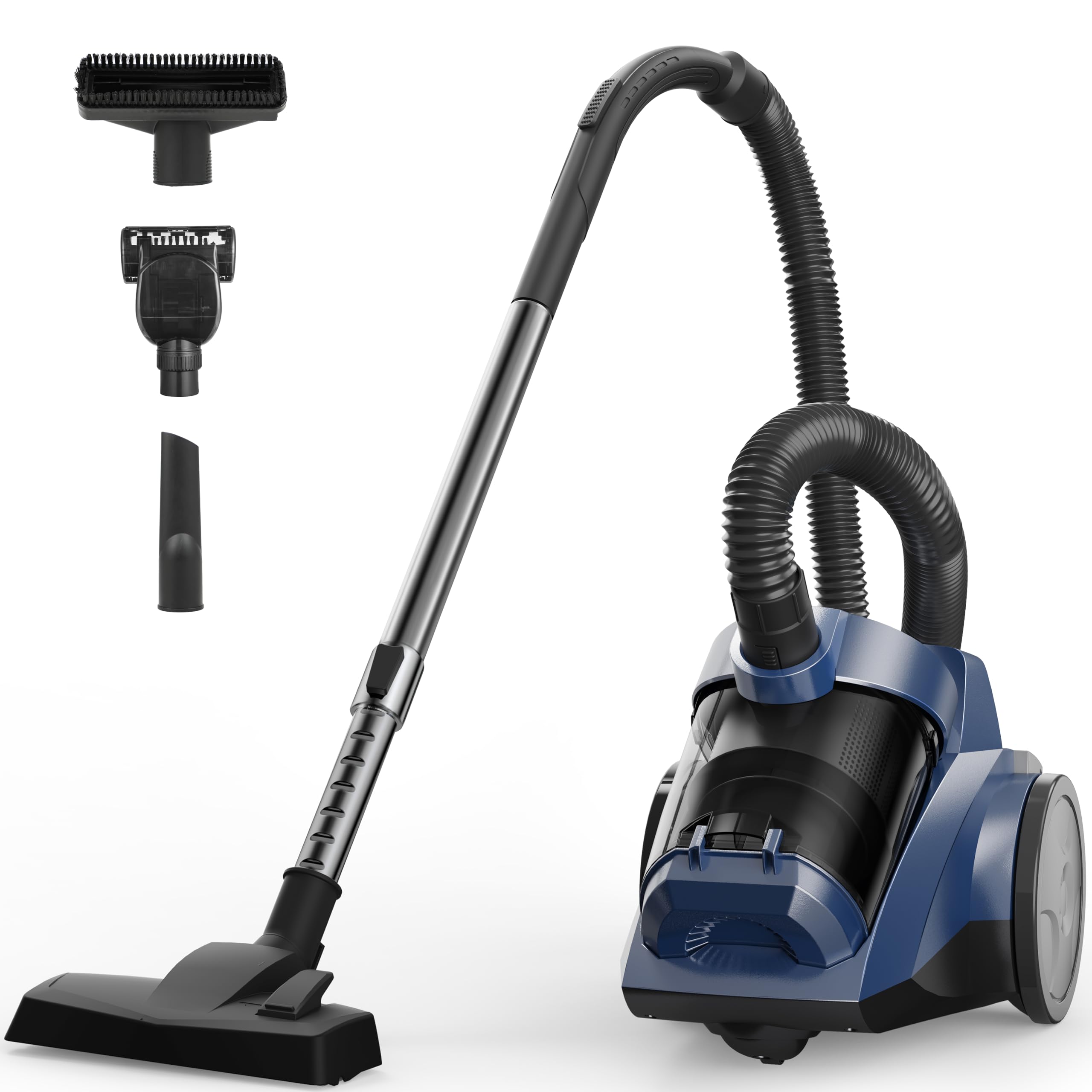
Bissell Little Green Portable Cleaner
Our editors selected this as a top pick for cleaning based on quality and reader feedback.
Sarah Jenkins
Sarah Jenkins is a professional home organizer with over 10 years of experience helping families declutter and find peace in their living spaces. Her methods focus on sustainable, long-term organization systems.
View Full Profile & All Articles →Was this article helpful?
Get more tips in your inbox — Subscribe free.
Tags
📚 Related Articles
 cleaning
The Ultimate Guide to Choosing Baby-Safe Cleaners: Top Picks Reviewed
The Ultimate Guide to Baby-Safe Cleaners: A Comprehensive Review...
 cleaning
New Home Cleaning
The Ultimate Guide to New Home Cleaning: Expert Tips and Tricks for a Sparkling Abode...
 cleaning
"The Complete Moving Out Cleaning Checklist: Stress-Free Tips from Experts"
Are you dreading the thought of cleaning your old home before moving out? You're not alone. The daunting task of moving out can be overwhelming, espec...
Expert Discussion
Share your knowledge with LifeWise
Join the Conversation
Please sign in to share your thoughts and connect with our community.
Sign In to CommentLoading conversation...