Allergy-Proof Home: Comprehensive Guide to Healthier Living with Allergy-Resistant Cleaning


Key Takeaways
- 1.Q: What's the best way to remove mold from my home?
- 2.Q: Can I use a steam cleaner to clean my home?
- 3.Q: How often should I change my air filters?
The Ultimate Guide to Allergy-Proof Cleaning: A Comprehensive Approach for a Healthier Home
Are you tired of living with allergies and respiratory issues? Do you find yourself constantly battling dust, pollen, and pet dander in your home? If so, it's time to rethink your cleaning habits. Allergy-proof cleaning is no longer just a myth; it's a viable solution to creating a healthier indoor environment.
In this expanded article, we'll delve deeper into the world of allergy-proof cleaning. We'll explore the science behind allergies, the most common allergens found in homes, practical tips for implementing an effective allergy-proof cleaning routine, and pro tips to make your cleaning efforts more efficient.
Understanding Allergies
Before we dive into cleaning solutions, let's quickly review what causes allergies. The most common allergens include:
- Dust mites
- Pollen
- Pet dander
- Mold
- Mildew
These tiny particles can be found in even the cleanest homes and trigger allergic reactions in some individuals. It's essential to understand these allergens to create an effective cleaning routine.
The Science of Allergen Removal
Allergy-proof cleaning relies on the principle of removing these allergens from your home's surfaces, air, and floors. Here are some key strategies to keep in mind:
- Regular Vacuuming: Use a vacuum cleaner with a HEPA (High Efficiency Particulate Air) filter to capture 99.97% of particles as small as 0.3 microns, including dust mites, pollen, and pet dander.
- Damp Mopping: Regularly mop hard floors with a damp cloth to remove allergens like mold and mildew.
- Washable Bedding: Wash bedding in hot water (at least 130°F) once a week to kill dust mites.
Allergy-Proof Cleaning Products
Not all cleaning products are created equal. Look for products that are specifically labeled as "hypoallergenic" or "allergy-friendly." Some popular options include:
- Electrostatic Sprays: These sprays can trap allergens like dust and pollen, making it easier to clean.
- Antimicrobial Wipes: Use these wipes to quickly disinfect high-touch areas like doorknobs and light switches.
- Allergen-Specific Products: For more specific needs, consider products designed to target certain allergens, such as enzyme cleaners for pet stains or mold-specific cleaners.
Pro Tips
- Use Microfiber Cloths: Microfiber cloths are excellent for dusting and picking up allergens. They can be used wet or dry and are reusable.
- Invest in a Good Vacuum: A vacuum with a HEPA filter is essential, but consider investing in an upright vacuum with adjustable height settings to ensure thorough cleaning of all surfaces.
- Clean from Top to Bottom: Dust and allergens settle, so it's important to clean from top to bottom to avoid redistributing settled particles.
Creating an Allergy-Proof Cleaning Routine
Implementing an effective allergy-proof cleaning routine requires some planning and effort. Here's a simple step-by-step guide:
- Create a Daily Cleaning Schedule: Set aside 10-15 minutes each day to quickly pick up clutter, wipe down surfaces, and vacuum high-traffic areas.
- Deep Clean Weekly: Dedicate one day per week to deeper cleaning tasks like mopping floors, washing bedding, and dusting ceiling fans.
- Use Allergy-Friendly Cleaning Products: Choose products that are specifically designed for allergy sufferers.
- Regular Air Purification: Consider using an air purifier with a HEPA filter to continuously clean the air in your home.
- Seasonal Maintenance: Depending on the season, you may need to adjust your cleaning routine to address specific allergens. For example, during pollen seasons, you might want to clean more frequently or use an air purifier with a pollen filter.
Frequently Asked Questions
Q: What's the best way to remove mold from my home?
A: Mold can be removed with a solution of 1 part bleach to 10 parts water. Apply the solution to the affected area, let it sit for 10-15 minutes, and then scrub and rinse with clean water. It's important to wear protective gear, including gloves and a mask, when dealing with mold.
Q: Can I use a steam cleaner to clean my home?
A: Yes, steam cleaners can be effective at removing allergens like dust mites and pollen. However, make sure to follow the manufacturer's instructions and test the cleaner on a small area first.
Q: How often should I change my air filters?
A: Change your air filters every 1-3 months, depending on usage and manufacturer recommendations. Clean or replace filters as needed to maintain optimal indoor air quality.
By following these practical tips and strategies, you can create a home that's not only clean but also allergy-friendly. Remember, allergy-proof cleaning is an ongoing process that requires patience, persistence, and the right products. With consistent effort, you can significantly reduce the presence of allergens in your home and improve your overall health and wellbeing.
* We may earn a commission from purchases made through our links.
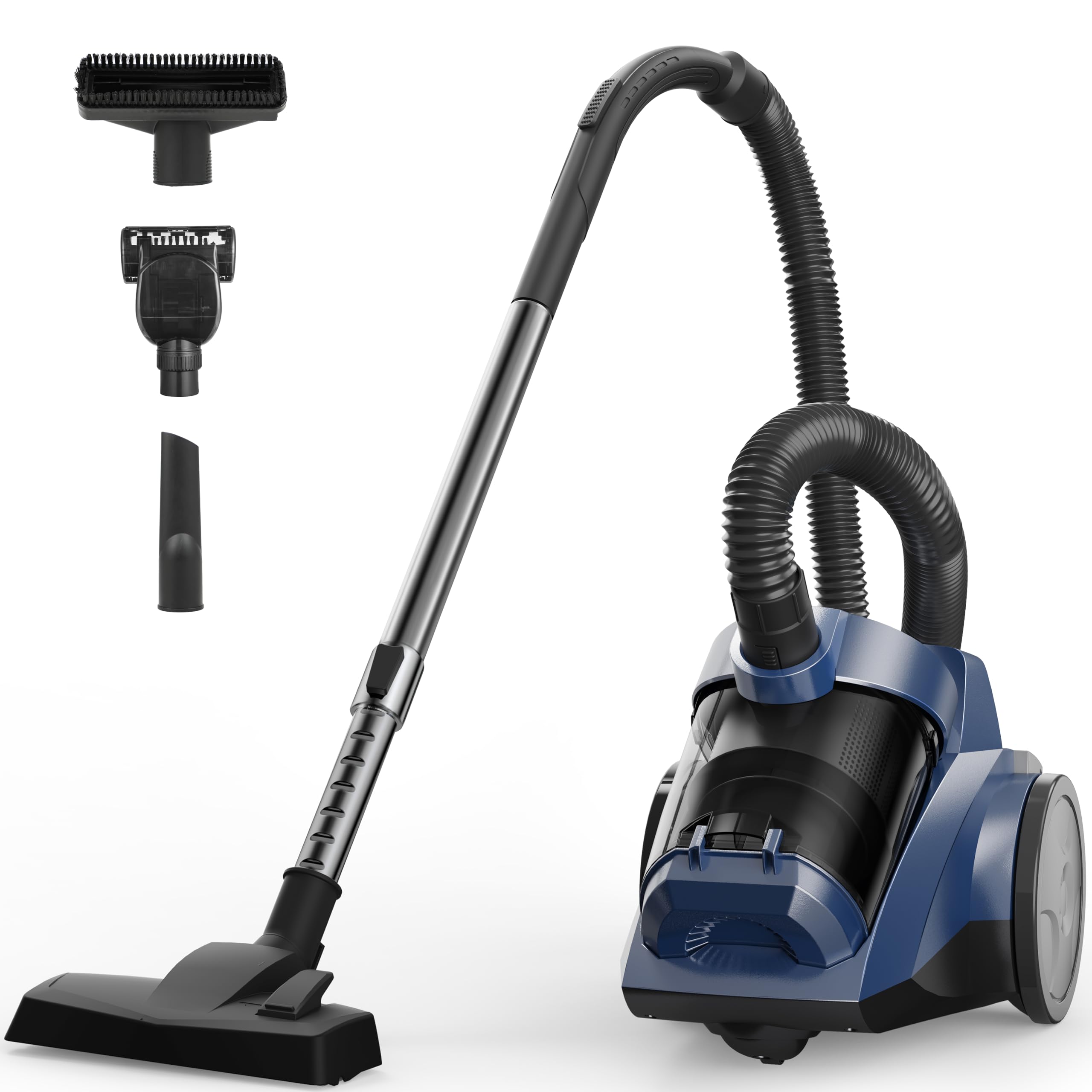
Bissell Little Green Portable Cleaner
Our editors selected this as a top pick for cleaning based on quality and reader feedback.
Sarah Jenkins
Sarah Jenkins is a professional home organizer with over 10 years of experience helping families declutter and find peace in their living spaces. Her methods focus on sustainable, long-term organization systems.
View Full Profile & All Articles →Was this article helpful?
Get more tips in your inbox — Subscribe free.
Tags
📚 Related Articles
 cleaning
The Ultimate Guide to Choosing Baby-Safe Cleaners: Top Picks Reviewed
The Ultimate Guide to Baby-Safe Cleaners: A Comprehensive Review...
 cleaning
New Home Cleaning
The Ultimate Guide to New Home Cleaning: Expert Tips and Tricks for a Sparkling Abode...
 cleaning
"The Complete Moving Out Cleaning Checklist: Stress-Free Tips from Experts"
Are you dreading the thought of cleaning your old home before moving out? You're not alone. The daunting task of moving out can be overwhelming, espec...
Expert Discussion
Share your knowledge with LifeWise
Join the Conversation
Please sign in to share your thoughts and connect with our community.
Sign In to CommentLoading conversation...